

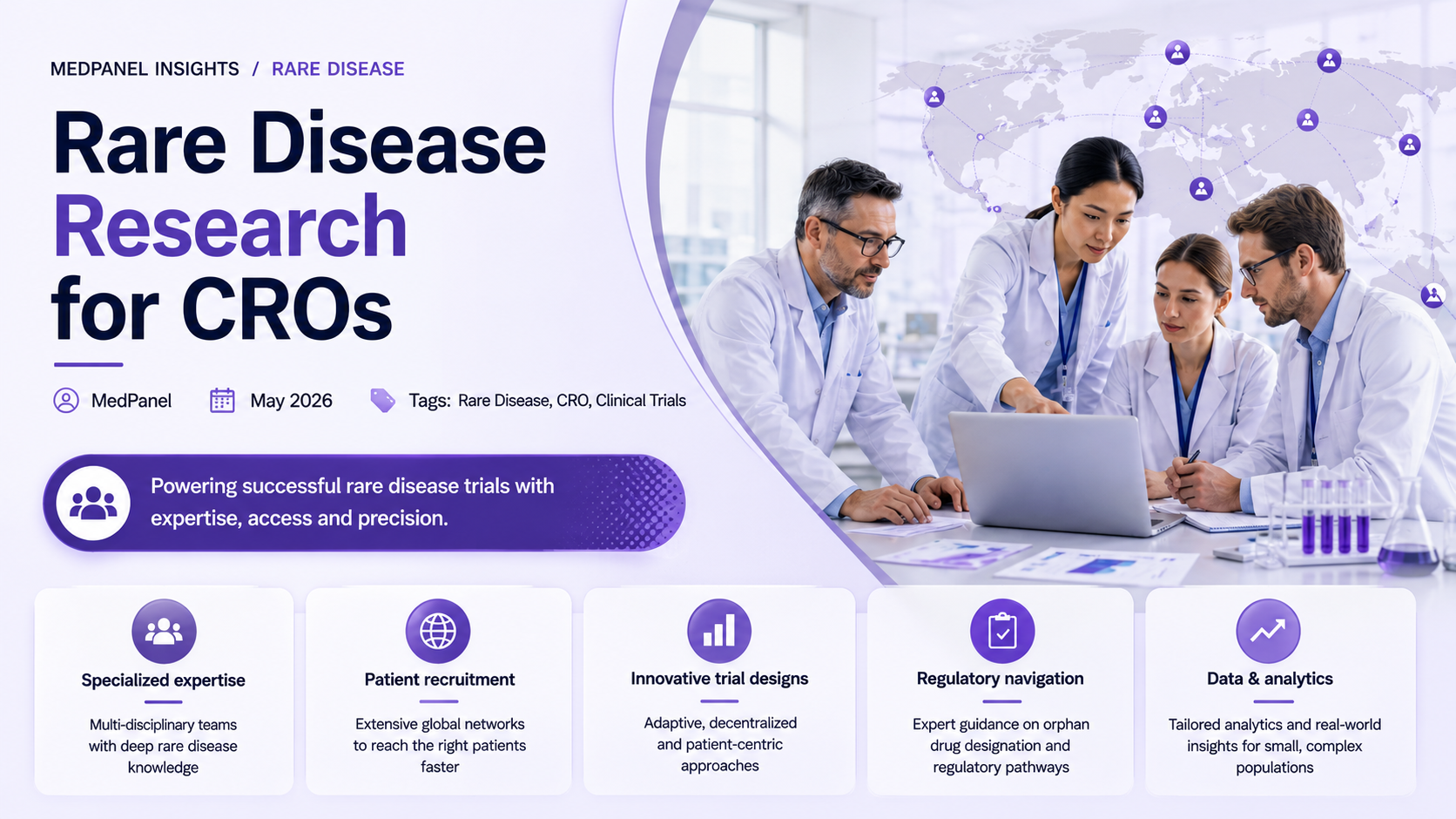
The Role of CROs in Rare Disease Clinical Research
In rare disease research, Contract Research Organizations (CROs) play a pivotal role in the clinical development landscape. Moreover, they provide the infrastructure, expertise, and operational support necessary to conduct complex clinical trials.
As a result, sponsors can reach small, geographically dispersed patient populations more effectively. Therefore, CRO partnerships are often essential when standard trial models are not enough.
Specialized Expertise
For rare disease programs, experienced CROs offer specialized knowledge and capabilities. In addition, they combine clinical, regulatory, and operational expertise in one integrated team.
Multi-disciplinary teams
Specifically, CROs assemble teams with expertise in clinical operations, medical affairs, regulatory affairs, data management, and patient recruitment. Furthermore, all team members maintain a focus on rare diseases throughout the study lifecycle.
Medical affairs
In addition, CROs provide medical expertise to support protocol development, medical monitoring, and safety oversight. Consequently, study teams can manage risk more effectively from launch through close-out.
Patient Recruitment and Retention
Because eligible patients are scarce, CROs employ innovative strategies to identify, recruit, and retain rare disease participants. However, success depends on more than outreach alone.
Global networks
For example, CROs leverage global networks and relationships with clinical sites and advocacy groups to reach patients across different regions. Likewise, these partnerships help teams access hard-to-find populations faster.
Patient-centric strategies
Additionally, CROs develop patient-centric recruitment materials and provide support services to minimize burden on patients and their families. As a result, retention rates often improve across long and complex protocols.
Innovative Trial Designs
When sample sizes are limited, CROs help sponsors implement innovative trial designs that are well-suited for rare diseases. Moreover, these models can reduce timeline risk while preserving scientific rigor.
Adaptive designs
In particular, CROs have expertise in designing and implementing adaptive trials that allow for adjustments based on interim data. Therefore, sponsors can respond to emerging evidence without restarting the full program.
Decentralized clinical trials (DCTs)
Similarly, CROs leverage technology and remote monitoring to conduct DCTs, making it easier for rare disease patients to participate. Consequently, enrollment can expand beyond major academic centers alone.
Regulatory Navigation
Throughout drug development, CROs provide regulatory guidance and support at every stage. In addition, they help sponsors align trial strategy with evolving agency expectations.
Orphan drug designation
For instance, CROs assist sponsors in obtaining orphan drug designation and navigating associated regulatory requirements. Thus, teams can move forward with clearer incentives and development pathways.
Early engagement
Furthermore, CROs facilitate early engagement with regulatory agencies to discuss trial designs and endpoints. As a result, sponsors can reduce rework and improve approval readiness.
Data Management and Analytics
Finally, CROs offer specialized data management and analytics capabilities for rare disease research. Because datasets are often small, every data point must be captured and interpreted with precision.
Small sample sizes
Specifically, CROs employ statistical methods tailored for small sample sizes to maximize the power of rare disease trials. In other words, they design analyses that extract meaningful insight from limited cohorts.
Real-world evidence (RWE)
Additionally, CROs help sponsors collect and analyze RWE to supplement clinical trial data and support regulatory submissions. Therefore, evidence packages become stronger for both regulators and payers.
Bringing Rare Disease Therapies to Market
Although rare disease research presents unique challenges, CROs play a vital role in overcoming these hurdles and bringing new therapies to patients in need.
By leveraging their expertise, infrastructure, and innovative approaches, CROs help sponsors navigate complexity and accelerate the development of life-changing treatments. Ultimately, the right CRO partner can improve both trial efficiency and patient impact.